Best of Hawaii 2015-2017

What Is Cocobolo Wood? Properties, Color & Grain Explained
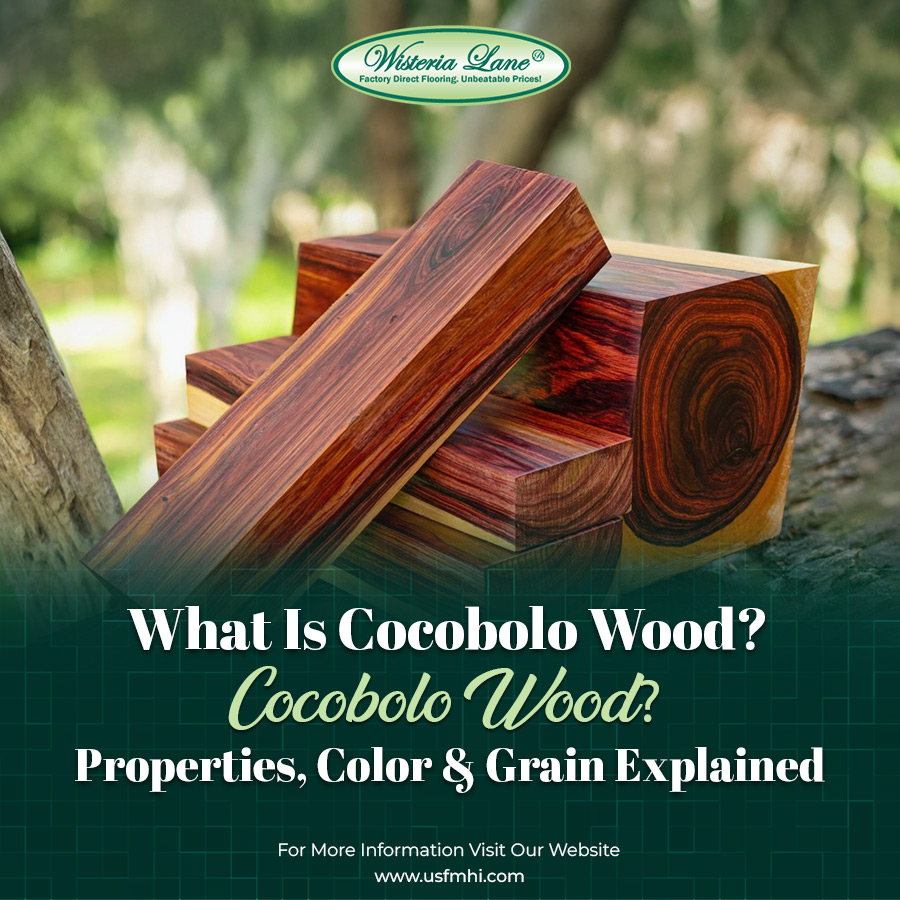
Cocobolo wood is an exotic and highly coveted material known for its stunning beauty, incredible durability, and vibrant colour variations. Often associated with luxury furniture, high-end flooring, and musical instruments, cocobolo offers a unique combination of strength and aesthetic appeal. In this post, we’ll explore what cocobolo wood is, its properties, the colour range, and its distinctive grain patterns.
What Is Cocobolo Wood?
Cocobolo is a type of rosewood that belongs to the Dalbergia genus, typically found in the tropical forests of Central America, particularly in Costa Rica, Nicaragua, and Guatemala. This hardwood is renowned for its rich colour, robust properties, and fine grain structure. It is often used in luxury furniture, musical instruments, and high-end flooring.
Cocobolo wood is prized by artisans for its ability to take fine polish, making it a top choice for creating luxury items. It’s known for being dense, strong, and resistant to both decay and moisture, which makes it an ideal material for projects that require both beauty and durability.
Properties of Cocobolo Wood
1. Hardness and Durability
Cocobolo is a dense hardwood, ranking high on the Janka hardness scale, making it one of the toughest woods available. Its remarkable strength ensures that it can withstand high levels of stress and impact, making it perfect for high-traffic areas like luxury flooring, furniture, and even tool handles. Cocobolo wood resists scratches, dents, and general wear, which guarantees that it will last for many years.
2. Resistance to Moisture and Decay
One of the most outstanding properties of cocobolo wood is its natural resistance to moisture and decay. The wood’s dense grain and high oil content help it resist water damage, making it an excellent choice for kitchen counters, bathroom cabinets, and musical instruments. This resistance to rot and decay ensures that cocobolo items maintain their aesthetic beauty over time, even with regular exposure to moisture.
3. Workability
Though cocobolo is dense, it remains relatively easy to work with compared to other hardwoods like ebony. Carpenters and woodworkers appreciate its ability to smooth, sand, and polish easily. The wood takes varnish and oil finishes beautifully, resulting in a deep, glossy shine that enhances its natural colour.
Colour of Cocobolo Wood
One of the key features of cocobolo wood is its rich, vibrant colour range. The wood varies in shades, often ranging from deep reddish-brown and orange hues to purple and black streaks.
- Reddish-Brown: This is the predominant colour in cocobolo, offering a warm, luxurious feel that exudes sophistication.
- Orange and Yellow: Some cocobolo pieces feature vibrant orange or yellow streaks, which provide contrast and visual interest.
- Purple and Black: In rarer pieces, you may find purple tones or black veins running through the wood, making each piece of cocobolo truly unique.
As cocobolo ages, its colour intensifies, developing a patina that adds to its character. This natural ageing process makes cocobolo an ideal material for creating timeless pieces.
Grain of Cocobolo Wood
1. Complex, Swirling Grain Patterns
Cocobolo is famous for its dynamic and varied grain patterns. These grains can range from straight to curly, with some pieces showcasing swirling, wavy, or interlocking grains. The unique grain pattern of each piece adds depth and texture, making it a standout choice for custom woodwork.
2. Figured and Quilted Grain Patterns
Occasionally, cocobolo wood exhibits figured or quilted grain patterns. These patterns add a 3D-like appearance to the wood, with waves and curves that create visual interest. Figured cocobolo is highly sought after for luxury furniture and fine woodworking projects due to its eye-catching beauty.
3. Straight vs. Curly Grain
Cocobolo grain can be straight, but many pieces feature curly grain, which creates a stunning wave-like effect across the wood. Whether straight or curly, the grain significantly contributes to the wood’s luxury appeal and ensures that every piece is one of a kind.
Why Is Cocobolo Wood So Expensive?
Cocobolo wood is considered expensive due to its rarity, hardness, and unique visual properties. The wood is slow-growing and primarily found in protected tropical forests, making it difficult to harvest. Additionally, cocobolo is under international regulations to prevent over-harvesting, adding to its exclusivity.
Despite its high price, cocobolo is highly valued for its timeless beauty and durability, which makes it a worthy investment for luxury projects.
Uses of Cocobolo Wood
1. Furniture
Cocobolo wood is a popular choice for creating luxury furniture due to its striking colours and strong, durable nature. It is often used in making tables, chairs, cabinets, and desks. The unique grain patterns make cocobolo furniture pieces a focal point in any room.
2. Musical Instruments
Due to its resonance and soundboard properties, cocobolo is also used in guitar making, particularly for the backs and sides of high-end guitars. The wood’s natural acoustic properties make it perfect for crafting musical instruments that produce rich, full tones.
3. Flooring
While not as common as oak or maple, cocobolo wood is an excellent choice for luxury flooring. Its density and durability ensure it can withstand heavy foot traffic without losing its beauty. Cocobolo wood floors add a unique touch of luxury to any home or commercial space.
Conclusion: The Beauty and Utility of Cocobolo Wood
Cocobolo wood stands out as one of the most luxurious hardwoods available, thanks to its rich colour range, distinctive grain patterns, and long-lasting durability. Whether you’re using it for furniture, musical instruments, or luxury flooring, cocobolo offers a unique and timeless aesthetic that will elevate any project. Its exclusivity and natural beauty make it a top choice for high-end designs.
If you’re looking for premium woodworking materials that combine elegance and strength, cocobolo wood is an exceptional option. Contact us at USFMHI for expert guidance on incorporating cocobolo wood into your luxury projects.
Frequently Asked Questions
- What makes Cocobolo wood so special?
Cocobolo wood is prized for its vibrant colour variations, ranging from reddish-brown to orange and purple streaks, making each piece unique. Its density, strength, and resistance to moisture make it ideal for luxury applications like furniture and flooring. - How durable is Cocobolo wood?
Cocobolo is extremely durable, ranking high on the Janka hardness scale. This makes it resistant to scratches, dents, and general wear, making it perfect for high-traffic areas and long-lasting luxury furniture. - Can Cocobolo wood be used for outdoor projects?
While Cocobolo is highly moisture-resistant, it’s best suited for indoor projects. Its resistance to moisture makes it a great choice for furniture, flooring, and musical instruments, but exposure to harsh outdoor elements may affect its longevity. - What types of products are made from Cocobolo wood?
Cocobolo wood is commonly used in luxury furniture, musical instruments (especially guitars), and high-end flooring due to its strength, beauty, and resilience. It’s also used for tool handles and fine woodturning. - How does Cocobolo wood age over time?
Cocobolo wood develops a natural patina over time, which deepens the rich tones of the wood. As it ages, it gains more character and depth, giving it a timeless and elegant appeal that enhances the aesthetic of any space. - Why should I choose Wisteria Lane for my Cocobolo wood needs?
At Wisteria Lane, we specialize in providing premium Cocobolo wood for luxury projects. With a commitment to quality, sustainable sourcing, and expert guidance, we ensure that every piece of Cocobolo wood meets the highest standards for furniture, flooring, and musical instrument applications. Visit us at usfmhi.com for personalized advice and premium Cocobolo wood products.

