Best of Hawaii 2015-2017

LVT vs LVP: Key Differences Every Homeowner Should Know
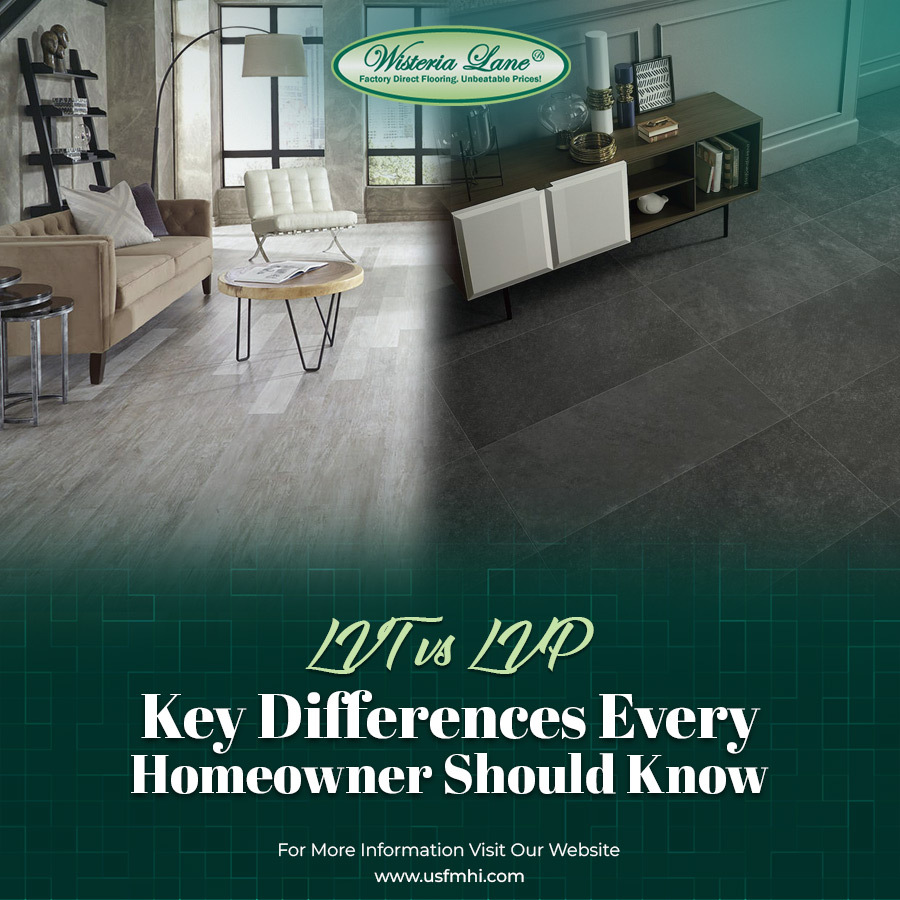
Choosing new flooring sounds simple. It rarely is. Many homeowners land on vinyl flooring because it offers durability, water resistance, and style. Then the confusion starts. LVT vs LVP looks like a small difference. In practice, it affects how your space looks and feels.
This guide breaks down LVT vs LVP in plain terms. It is written for real homeowners. No fluff. No jargon. Just clear facts and practical insight.
Before diving into the comparison, it helps to understand vinyl flooring as a whole.
Understanding Vinyl Flooring Basics
Vinyl flooring has come a long way. Early versions looked flat and felt cheap. Modern vinyl flooring is different. It uses layered construction and detailed printing. Many options now copy wood or stone closely.
Most vinyl flooring includes:
- A wear layer for protection
- A printed design layer
- A core layer for strength
- A backing layer for stability
LVT flooring and LVP flooring both fall under luxury vinyl. They share the same base technology. The difference comes down to shape, style, and application.
Once you understand the base, the rest becomes easier.
What is LVT Flooring?
LVT stands for Luxury Vinyl Tile. It is designed to look like tile or stone. Some styles mimic ceramic, slate, or concrete. The pieces are usually square or rectangular.
LVT flooring works well in rooms where tile is common. Kitchens and bathrooms are good examples. Many homeowners choose LVT because it offers a tile look without cold surfaces.
Common features of LVT flooring include:
- Tile or stone visuals
- Grout line options for realism
- Strong water resistance
- Softer feel than ceramic tile
Installers often recommend LVT for basements, too. It handles moisture better than many hard surfaces. For homes with kids, it also feels safer underfoot.
Now, let us look at the plank version.
What is LVP Flooring?
LVP stands for Luxury Vinyl Plank. It is built to copy hardwood flooring. The planks are long and narrow. The surface texture often follows wood grain patterns.
LVP flooring is popular in living areas. Bedrooms and hallways also work well. Homeowners like the wood look without the upkeep.
Key traits of LVP flooring include:
- Plank-shaped boards
- Wood grain textures
- Wide range of colors
- Better moisture resistance than hardwood
Many flooring pros suggest LVP for open layouts. The plank format creates flow across rooms. It also hides seams better than tile shapes.
Now that both options are clear, the real comparison begins.
LVT vs LVP: A Practical Comparison
Both options perform well. The right choice depends on how you use the space. Below is a clear breakdown based on real-world factors.
Appearance and Design
LVT focuses on stone and tile looks. LVP focuses on wood visuals.
Choose LVT if you want:
- A modern tile feel
- Clean lines and patterns
- A match for existing tile areas
Choose LVP if you want:
- Warm wood tones
- A natural flow between rooms
- A classic residential look
Design preference matters more than brand here.
Durability and Wear Layers
Both LVT and LVP use similar wear layers. Thickness matters more than shape. Higher mil ratings mean better scratch resistance.
For busy homes, look for:
- At least a 20 mil wear layer
- Rigid core construction
- Manufacturer testing standards
Pets, kids, and foot traffic affect both types the same way.
Comfort Underfoot
Vinyl flooring feels softer than tile or wood. Both LVT flooring and LVP flooring benefit from this.
Comfort factors include:
- Core thickness
- Underlayment type
- Subfloor condition
Neither option feels cold like ceramic tile. That alone matters to many homeowners.
Installation Differences
Installation depends on the product, not just the shape.
Most modern LVT and LVP options use click-lock systems. Some use glue-down methods.
Click-lock benefits include:
- Faster installation
- Easier plank replacement
- DIY friendly options
Glue-down works better in commercial spaces. It also handles heavy loads well.
Cost and labor can vary based on the method.
Cost Comparison Between LVT and LVP
Price often drives decisions. Material costs for LVT vs LVP are similar. Differences appear in design complexity and thickness.
Typical cost factors include:
- Wear layer thickness
- Core material
- Brand reputation
- Installation method
LVP sometimes costs slightly more. This is due to demand and plank size. Installation costs are usually similar.
Over time, both options offer strong value. Maintenance costs stay low. Replacement cycles are long.
Maintenance and Long-Term Performance
Both LVT flooring and LVP flooring are easy to maintain. That is one reason homeowners choose vinyl flooring.
Basic care includes:
- Sweeping or vacuuming
- Damp mopping with mild cleaners
- Avoiding harsh chemicals
Neither option needs sealing. Both resist stains well. Sunlight exposure can cause fading, so use window coverings.
Most quality products last 15 to 25 years. This depends on traffic and care.
Choosing the Right Option for Your Home
There is no single winner in the LVT vs LVP debate. The right choice depends on room use and style goals.
Ask yourself:
- Do I want a tile or wood look?
- Is moisture a concern in this room?
- Do I prefer clean lines or flowing planks?
LVT works best in wet areas and modern designs. LVP works well in living spaces and traditional homes.
Many homes use both. That approach balances function and design.
Common Misunderstandings About LVT vs LVP
Some myths keep popping up. They deserve clearing up.
- Vinyl flooring is not cheap looking anymore
- LVT and LVP are not identical products
- Both work well in moisture-prone areas
Modern luxury vinyl meets strict testing standards. It performs better than many expect.
Final Thoughts
LVT vs LVP is not about better or worse. It is about fit. Both options offer durability, comfort, and style. The real difference lies in shape and visual impact.
Take time to view samples in your space. Lighting changes everything. A good flooring choice should match your lifestyle, not trends.
When chosen well, vinyl flooring serves homes reliably for years.

