Best of Hawaii 2015-2017

What is Solid Hardwood Flooring? A Complete Guide for Homeowners
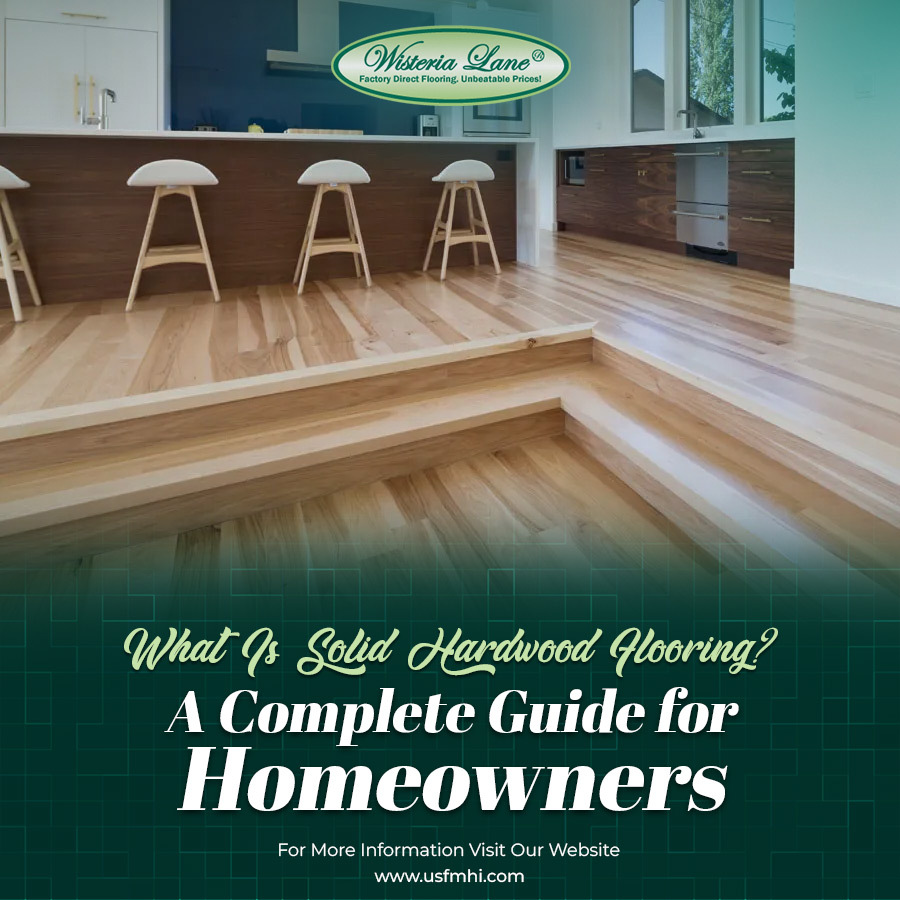
Solid hardwood flooring remains a trusted choice in many homes today. It offers natural charm, long life, and a warm look that suits many design styles. Many homeowners see it as a long-term surface that gains more character each year. This guide explains how it works, how it compares, and how to pick the right wood for any space.
The Quiet Appeal of Real Wood
Many rooms feel calm when real wood is underfoot. The surface feels steady and warm. The look feels honest. Solid hardwood flooring gives rooms a grounded feel. Each plank carries grain, color, and light movement that adds quiet detail. These traits help the floor age well and blend with many interiors. This is why so many homes still use it today.
What Solid Hardwood Flooring Means
Solid hardwood flooring uses planks made from one piece of wood. The plank comes from a single board. There are no layers or mixed materials. This simple build gives the floor strong support. It also allows sanding and refinishing many times. Most solid floors last for decades with basic care.
Many homeowners choose this surface for stability and long-term value. The floor can change with design trends through new stains and finishes. That flexibility adds even more appeal.
How a Hardwood Plank Works
Each plank reflects the tree it came from. The grain, tone, and strength vary by species. Some planks show smooth lines. Others show deep waves. Some stay pale and gentle. Others display rich color shifts. These natural traits shape the mood of a room.
Several species stand out in today’s homes.
- White oak solid hardwood flooring offers a soft look with tight grain.
- Acacia solid hardwood flooring brings strong contrast and bold patterns.
- Solid teak hardwood flooring gives warm gold tones and natural oils.
- Tigerwood hardwood flooring shows striking stripes with deep color.
- Ash hardwood flooring stays light and bright with strong hardness.
Each species supports a different design style. Understanding these traits helps guide the final choice.
Solid vs. Engineered Hardwood
Homeowners often compare solid and engineered hardwood. Both use real wood. The difference lies in the plank build and long-term performance. A short overview helps clarify how each choice behaves in a home.
The table below offers a clear review.
| Feature | Solid Hardwood Flooring | Engineered Hardwood Flooring |
| Construction | One solid plank | Layers with a wood top |
| Lifespan | Very long | Long but shorter |
| Refinishing | Many cycles | Limited cycles |
| Moisture | Moderate resistance | Higher stability |
| Cost | Higher | Lower |
| Best Rooms | Main floors | Basements and condos |
Solid floors perform best in areas with steady humidity. Engineered floors work better in spaces with moisture shifts. Many homes even use both across different levels.
Popular Wood Species and Their Style Roles
Each species holds a clear place in design work. The tone, grain, and hardness of the wood shape the feel of the room.
White Oak Solid Hardwood Flooring
It fits clean and modern homes. The soft grain hides small marks. Designers use this wood in calm, neutral rooms.
Acacia Solid Hardwood Flooring
This suits bold interiors. The grain shifts create strong movement. This wood works well in eclectic or warm global styles.
Solid Teak Hardwood Flooring
Brings a rich glow. The natural oils resist moisture better than many woods. It fits spa-inspired rooms and classic spaces that need warmth.
Tigerwood Hardwood Flooring
Delivers dramatic stripes. This floor works well in rooms that need a strong visual point. Many designers use it in large open areas.
Ash Hardwood Flooring
This feels bright and airy. It helps small rooms feel more open. The hardness supports busy homes with kids and pets.
These species cover a wide range of looks. Homeowners often choose based on light levels, room size, and color plans.
How to Choose the Right Wood for the Home
Choosing a hardwood floor begins with the room style. Cool and calm rooms often use white oak or ash. Warm rooms may prefer teak. Homes with strong patterns may enjoy acacia or tigerwood.
Daily life should also guide the decision. Busy homes need hard species that resist dents. Oak, ash, and acacia work well here. Homes with pets may prefer matte finishes that hide small marks.
Designers often review long-term plans as well. Solid hardwood flooring can be sanded and stained in new tones. This allows the floor to adapt to future color shifts. That flexibility supports many design updates later on.
Installation Methods for Solid Hardwood
Solid planks attach to the subfloor through nail-down or glue-down installation. Nail down installation stays very common. It forms a tight connection and works well on wood subfloors. Glue-down installation helps in some areas where extra firmness is useful.
Floating installation appears much less often with solid planks. It can work in select rooms with the right support layer. Many installers still prefer nail-down methods for the most stable feel.
A proper installation helps the floor move in a natural way during seasonal changes. This protects the planks and keeps the surface smooth.
Care and Maintenance for Long Life
Solid hardwood flooring stays strong with simple daily care. Light sweeping helps remove dust. Wood safe cleaners prevent film on the surface. Rugs and pads help protect the floor in busy areas.
Long-term care matters, too. Refinishing restores the surface after years of wear. Humidity control keeps the planks steady. Small steps, like felt pads on chairs, protect the top coat.
Floors also benefit from quick cleanup of spills and soft shoes indoors. These habits reduce scratches and help the finish last longer.
Cost and Value for Homeowners
The cost of solid hardwood flooring depends on species, width, and finish. Teak and tigerwood sit at the higher end. Oak and ash often sit at mid-range levels. Installation also affects the final price.
The value often extends far beyond the cost. Solid wood floors last for many decades. They can be renewed through sanding and new finishes. Many real estate studies show that real wood floors increase buyer interest. Homes with solid floors often feel more settled and warm.
Final Thought: Get a Surface that Gains Life Over Time
Solid hardwood flooring gives homes a steady and natural base. The surface changes in small ways each year. Sunlight and use add more depth to the grain. This slow change helps rooms feel lived in and complete. With the right species and care, the floor can support the home for many years.
Frequently Asked Questions
How long does solid hardwood flooring last?
Solid hardwood flooring can last many decades with normal care. Most planks can be sanded and refinished several times. This helps the floor stay strong and attractive even in busy homes. Many older houses still have their original solid wood floors in good shape.
Can solid hardwood flooring work in humid areas?
Solid hardwood needs stable indoor humidity. Small seasonal changes are fine. Large swings in moisture can cause gaps or slight cupping. Homes in humid zones often use dehumidifiers or steady climate control. For basements or damp spaces, engineered hardwood is a safer option.
What finish is best for homes with kids or pets?
Matte and satin finishes hide small marks better than glossy coats. Hard species like oak, ash, and acacia also resist dents more effectively. Rugs in play areas and felt pads under furniture add extra protection. These steps help the floor stay smooth and bright for many years.

